
12 October 2026
What Can and Cannot Be Stored During a Move: Your Essential Guide to Safe Storage
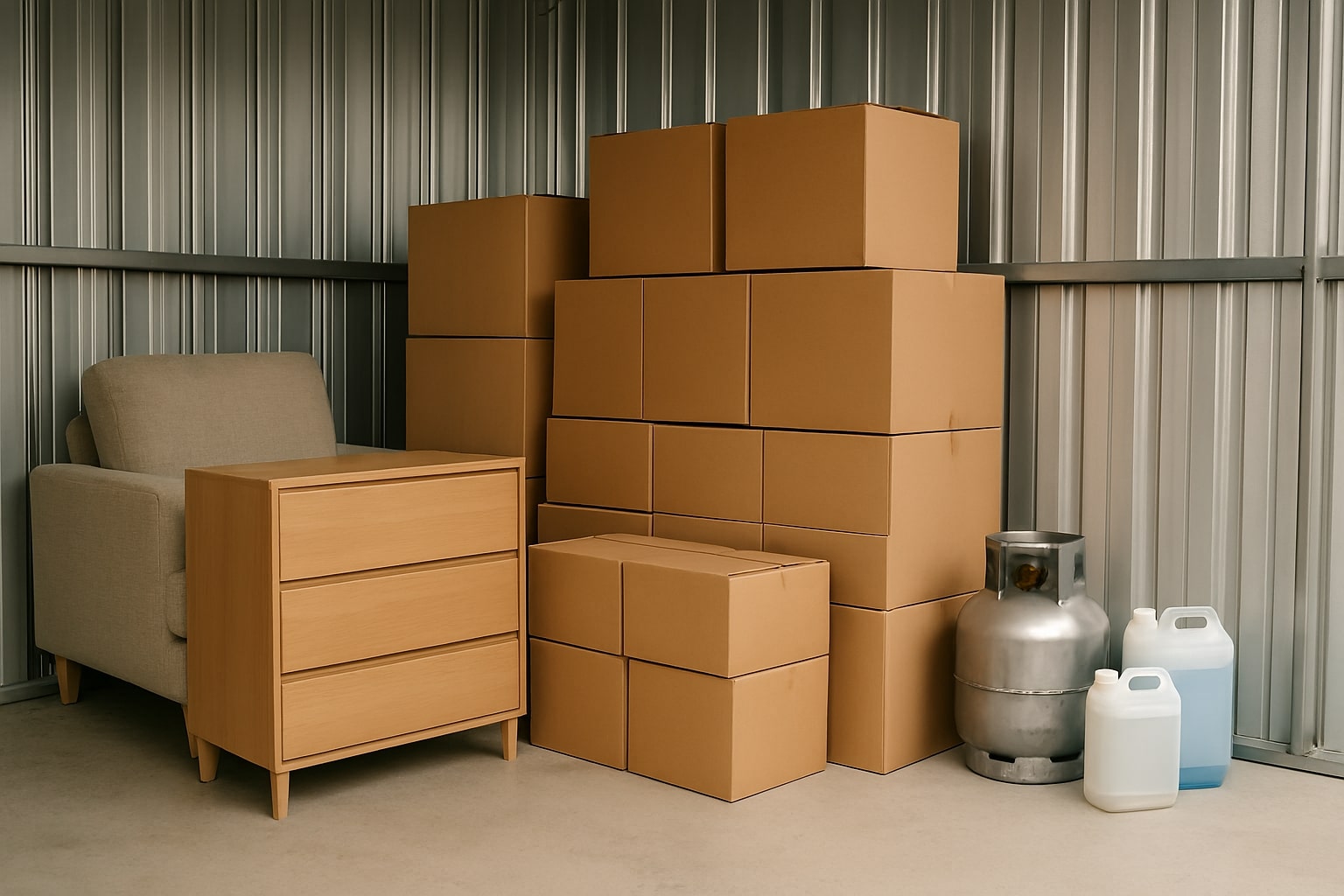
Moving house is a fantastic opportunity to declutter, but there are always items that need temporary storage, whether it's during a renovation, between homes, or just to create more space. However, not everything you own is suitable for storage, especially when using professional storage facilities or moving containers.
Understanding what can and cannot be stored, and why, is crucial for protecting your belongings, ensuring safety, and avoiding legal or financial complications. This guide outlines the essential dos and don'ts of storing items during a move in Australia.
The Golden Rule: If it's Perishable, Flammable, Dangerous, or Illegal, It's OUT!
Most reputable storage facilities and moving companies have strict policies on prohibited items for very good reasons – safety, legality, and preventing damage to your property and others'.
What CAN Generally Be Stored (and How to Prepare Them)
Most common household items are perfectly fine for storage, provided they are properly prepared.
- Furniture: Tables, chairs, sofas, beds, wardrobes, etc.
- Preparation: Dismantle large items, wrap delicate parts, protect with blankets/stretch wrap.
- Appliances: Fridges, washing machines, dryers, microwaves.
- Preparation: Crucially, clean, defrost (fridges/freezers), and ensure all are completely dry to prevent mould and odours. Secure doors.
- Boxes of Household Goods: Books, clothing, kitchenware, decor, toys.
- Preparation: Use sturdy moving boxes, label clearly, distribute weight evenly, pack fragile items carefully.
- Electronics: TVs, computers, stereos.
- Preparation: Use original boxes if possible. Wrap in anti-static bubble wrap, protect screens.
- Clothing & Linens:
- Preparation: Clean and dry thoroughly. Store in wardrobe boxes or plastic tubs to protect from moisture and pests.
- Documents & Files:
- Preparation: Use secure, waterproof containers. Consider off-site document storage for highly sensitive items if the storage facility isn't climate-controlled.
- Tools & Equipment: Garden tools, power tools.
- Preparation: Clean thoroughly, remove any fuel from machinery, ensure dry.
What CANNOT Be Stored (and Why)
These items are almost universally prohibited by storage providers and movers:
- Perishable Food Items: Fresh food, frozen food, open bags of pet food, anything that can spoil, attract pests, or rot.
- Why: Attracts rodents and insects, creates mould and foul odours, can contaminate other items.
- Live Animals or Plants:
- Why: Cruelty to animals/plants, can die and create messes/odours, attracts pests.
- Flammable or Combustible Materials: Petrol, kerosene, propane tanks, paints, paint thinners, aerosols, cleaning solvents, fertiliser, BBQ gas cylinders.
- Why: Extreme fire hazard, potential for explosions.
- Explosives & Ammunition: Fireworks, firearms (unless specific, licensed gun storage is provided and declared).
- Why: Obvious extreme danger.
- Toxic, Hazardous, or Corrosive Materials: Acids, poisons, medical waste, hazardous chemicals, asbestos.
- Why: Health and safety risks, environmental contamination.
- Illegal or Stolen Goods: Drugs, weapons, counterfeit items.
- Why: Illegal and will lead to legal action if discovered.
- Cash, Valuables, and Irreplaceable Items: Jewellery, priceless heirlooms, important documents (birth certificates, passports, deeds), fine art, stamp/coin collections.
- Why: High risk of theft or damage that insurance often won't fully cover. These should be moved and kept with you personally or stored in a bank safe deposit box.
- Wet or Damp Items:
- Why: Leads to mould, mildew, and rust, damaging not only the item itself but potentially spreading to other stored goods.
- Scented Items That Attract Pests: Pet food (even sealed), heavily scented candles/soaps (in large quantities).
- Why: Attracts rodents and insects.
Special Considerations for Moving
- Valuables & Documents: Always keep these with you. Create a "survival kit" box for immediate essentials that travels in your car.
- Sentimental Items: While not always prohibited, consider if you truly want to store items with immense sentimental value that cannot be replaced.
- Seasonal Items: If storing long-term, think about what you won't need for a while (e.g., winter clothes in summer).
- Fuel in Lawn Mowers/Power Tools: Drain all fuel and oil before placing these items in storage or a moving truck.
Quick Takeaways for What Not to Store
- Prohibited Items: Do NOT store perishable food, live animals/plants, flammable/hazardous materials (petrol, paints), explosives, illegal goods, or invaluable documents/cash.
- Why Not: These items pose risks of fire, contamination, pest infestation, legal issues, or irreplaceable loss.
- Preparation is Key: For permitted items like appliances, ensure they are thoroughly cleaned and dry to prevent mould and odours.
- Keep Valuables With You: Jewellery, important documents, and cash should always travel with you personally.
Understanding these guidelines is crucial for a safe and successful move and storage experience. When in doubt, always check with your specific moving or storage provider for their comprehensive list of prohibited items.
Frequently asked questions
Quick answers to what people ask us most.
Q: Can I store alcohol in a storage unit?
This varies. Most storage facilities prohibit flammable liquids, which can include high-proof alcohol. Even if not flammable, extreme temperature fluctuations in non-climate-controlled units can damage wine, beer, or spirits. Always check with your specific storage provider. If permitted, ensure bottles are well-packed and sealed.
Q: What about garden chemicals and pesticides?
No, these are typically considered hazardous materials due to their toxic nature and potential for leaks. They should not be stored in general storage units or moving trucks. Dispose of them responsibly according to local council guidelines or hazardous waste collection points.
Q: Can I store my car or motorbike in a storage unit?
Yes, many larger storage facilities offer vehicle storage, or you can rent a large enough unit for a car or motorbike. However, you must drain all fuel and fluids from the vehicle beforehand to eliminate fire hazards. Check with the facility about their specific vehicle storage policies and requirements.
Q: What's the best way to protect furniture in storage? Clean & Dry: Ensure all furniture is clean and completely dry. Dismantle: Take apart beds, tables, and other large items. Cover: Use furniture blankets, old sheets, or plastic stretch wrap to protect against dust and scratches. Avoid airtight plastic for long-term storage of upholstered items, as it can trap moisture. Elevate: Place furniture on pallets or cardboard to keep it off the concrete floor, protecting against potential moisture. Pest Control: Consider placing natural pest deterrents (e.g., cedar blocks) in the unit. Q: Why can't I store family photos or important documents in a normal storage unit?
While not prohibited, it's generally ill-advised for valuable or irreplaceable items unless the unit is climate-controlled and highly secure. Regular units can experience temperature and humidity fluctuations that can damage photos, paper, and electronic media over time. Furthermore, in case of theft or disaster, irreplaceable items cannot be recovered. Keep these with you or in a bank safe deposit box for ultimate security.